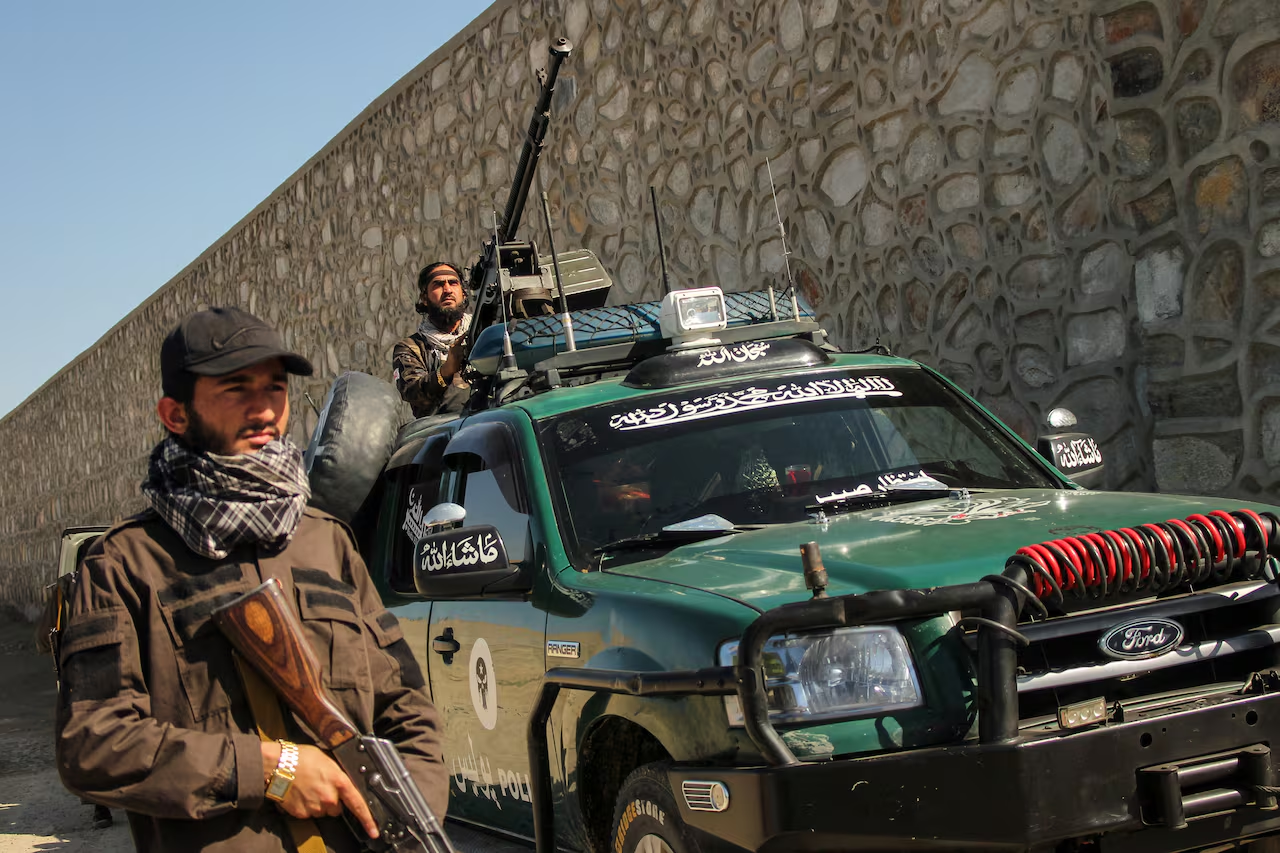
Dozens of people are feared dead or injured at a drug treatment centre in Afghanistan's capital after an air strike that the Taliban government blamed on Pakistan.
The hospital in Kabul was hit on Monday evening, killing some people and injuring others, the government's spokesman said on X.
Pakistan denied striking any health facility, saying it "precisely targeted military installations and terrorist support infrastructure" in Kabul and the eastern province of Nangahar.
The BBC visited the hospital, parts of which were still on fire, and saw more than 30 bodies being carried out on stretchers.
Some 2,000 people were being treated there, according to hospital officials, who believe there could be hundreds of casualties.
The Afghan health ministry's spokesman, Sharafat Zaman Amarkhail, told the BBC there were no military facilities near the hospital.
Residents reported hearing loud explosions across Kabul at around 20:50 local time (16:20 GMT), followed by the sound of aircraft and air defence systems.
Family members of those being treated at the hospital were gathered outside, desperately trying to find information about their loved ones.
A Taliban government spokesperson claimed the death toll reached at least 400, but the BBC has not independently verified the numbers.
Pakistan's information ministry said the strikes were "precise and carefully undertaken to ensure no collateral damage is inflicted".
It dismissed Afghanistan's claim as a "misreporting of facts... [that] seeks to stir sentiments, covering illegitimate support to cross-border terrorism".
The ongoing conflict between the neighbouring countries re-erupted in February, with Pakistan accusing Afghanistan of harbouring militant groups, something the Taliban government denies.
At least 75 people have been killed and 193 injured in Afghanistan as a result of ongoing cross-border fighting between the countries since 26 February, according to the United Nations Assistance Mission in Afghanistan (UNAMA).
It follows months of clashes, despite the two sides agreeing to a fragile ceasefire in October.
China, which has tried to cool tensions, said its foreign minister Wang Yi has spoken to his Afghan and Pakistani counterparts over the phone in the past week.
Calling for a ceasefire "at the earliest opportunity", Beijing on Monday urged the two countries to "remain calm and exercise restraint [and to] engage face to face ASAP".